Can Catholics Believe in Evolution? Understanding Faith and Science in Harmony
A Faith That Embraces Truth
Catholics do not have to choose between faith in God and belief in evolution. The Catholic Church teaches that faith and reason—Scripture and science—work together to reveal the fullness of truth. As St. John Paul II once said to the Pontifical Academy of Sciences, “Truth cannot contradict truth.” In other words, what we learn through scientific discovery can deepen, not weaken, our awe of God’s creation.
The Catholic View of Creation and Evolution
The Book of Genesis teaches us that God is the Creator of all things:
“In the beginning God created the heavens and the earth.” (Genesis 1:1)
However, the Church does not require Catholics to interpret Genesis as a literal, scientific account of the world’s origins. Instead, Catholics are called to recognize its deeper theological meaning—revealing God as the source of all life, goodness, and order.
The Catechism of the Catholic Church (CCC 283–284) explains that the great interest in scientific study of the universe “invites us to even greater admiration for the greatness of the Creator.” Evolution, understood properly, can be seen as one of the ways God brought about His creative plan.
Theistic Evolution: God Working Through Natural Processes
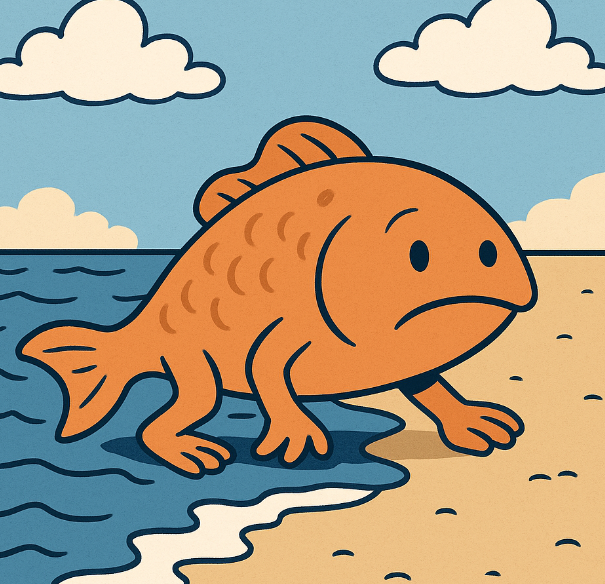
Catholic teaching allows for what many theologians call “theistic evolution” or “evolutionary creation.” This means that God could have used the process of evolution to form the physical bodies of living creatures—including human beings—while still creating each human soul directly.
As Pope Pius XII wrote in Humani Generis (1950), Catholics may accept evolutionary theory regarding the human body, provided they affirm that “the spiritual soul is created immediately by God.” This distinction upholds both scientific integrity and the sacred truth of human dignity.
Scripture and Science: Two Ways of Knowing God
Catholics understand Scripture and nature as two “books” authored by God—one revealing divine truth through words, the other through creation itself.
“Ever since the creation of the world, his invisible attributes of eternal power and divinity have been able to be understood and perceived in what he has made.” (Romans 1:20)
Scientific inquiry, when pursued with humility and wonder, can become a form of worship—an exploration of God’s handiwork. Evolution does not diminish the Creator’s role; it magnifies it, showing the profound order, beauty, and purpose built into the universe.
The Soul and Human Uniqueness
While Catholics can accept the evolution of the human body, the soul remains a divine mystery. The Church teaches that each person’s soul is a unique creation, infused by God and not a product of material processes.
“Then the Lord God formed man from the dust of the ground, and breathed into his nostrils the breath of life; and man became a living being.” (Genesis 2:7)
This breath of life—our capacity for reason, love, and moral awareness—marks the human person as made in the image and likeness of God (Genesis 1:27).
What the Popes Have Said About Evolution
- Pius XII (1950): Opened the door for Catholics to explore evolution responsibly.
- St. John Paul II (1996): Affirmed that evolution is “more than a hypothesis,” recognizing the strength of scientific evidence.
- Pope Francis (2014): Stated that God “is not a magician with a magic wand,” but that creation unfolds according to divine laws established by the Creator.
These teachings reflect a consistent Catholic approach—embracing science while safeguarding core truths of the faith.
Conclusion: One Truth, Two Paths of Discovery
Catholics can fully believe in evolution while holding fast to the truth that God is the Creator of all life. Science helps us understand how life developed; faith reveals why it exists. Together, they lead us to the same destination—greater wonder at the mystery of creation and deeper love for its Creator.
“The heavens declare the glory of God; the firmament proclaims the work of his hands.” (Psalm 19:1)