Ordinary Time Is Anything but Ordinary
When Catholics hear the phrase Ordinary Time, it can sound underwhelming—especially compared to the drama of Advent, the intensity of Lent, or the joy of Easter. The word ordinary suggests something routine, unremarkable, or even dull. But in the Church’s calendar, Ordinary Time is anything but ordinary.
In fact, it is during Ordinary Time that the Christian life is most fully lived.
What “Ordinary” Really Means
The name Ordinary Time does not come from the word ordinary as we use it today. It comes from the Latin ordinalis, meaning counted or ordered. These are the “numbered” weeks of the liturgical year, structured not around a single mystery but around the steady unfolding of Christ’s life and teaching.
This matters because it reframes how we understand holiness. Most of our lives are not marked by dramatic conversions or intense seasons of fasting. They are marked by routines—work, family, prayer, fatigue, faithfulness. Ordinary Time teaches us that God works powerfully in the slow, unremarkable spaces of life.
As St. Paul reminds us, “Whatever you do, in word or deed, do everything in the name of the Lord Jesus” (Colossians 3:17).
The Color Green and the Work of Growth
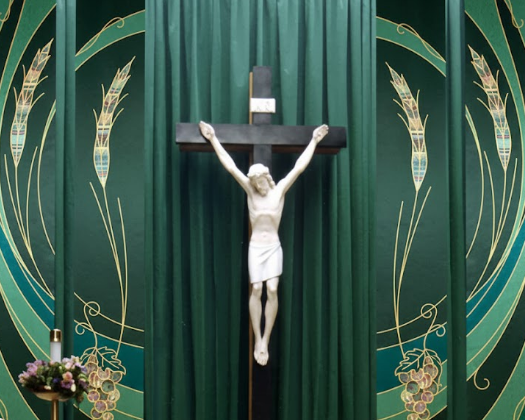
The liturgical color of Ordinary Time is green—a color associated with growth, life, and hope. This is not accidental. Green signals that this season is about spiritual formation, not spiritual spectacle.
Jesus often taught using images of slow growth: seeds, fields, vines. “The kingdom of God is as if someone would scatter seed on the ground… the seed sprouts and grows, he knows not how” (Mark 4:26–27). Ordinary Time reflects this hidden process. Growth happens quietly, often invisibly.
We live in a culture obsessed with transformation moments. Ordinary Time reminds us that holiness is usually built the way gardens grow—through daily care, patience, and trust.
Learning to Follow Christ Week by Week
During Ordinary Time, the Church walks us steadily through the public ministry of Jesus. Week by week, the Gospels show Christ teaching, healing, calling disciples, and revealing the Kingdom of God in ordinary encounters.
There are no grand entrance scenes or climactic endings here. Instead, we are formed by repetition. The same virtues—love, humility, mercy, obedience—appear again and again, shaping us slowly.
This reflects how discipleship actually works. Jesus does not call us only in moments of crisis or celebration. He calls us in the middle of daily life: “Follow me” (Matthew 4:19). Ordinary Time is where that call becomes a habit, not a reaction.
Why Ordinary Time Matters So Much Today
For many Catholics, the majority of the year is spent in Ordinary Time. That means the majority of our spiritual growth happens there too. If we treat it as spiritual “downtime,” we miss its purpose.
Ordinary Time teaches perseverance. It trains us to pray when nothing feels urgent, to show up when faith feels routine, and to trust that God is at work even when we cannot see results. “Let us not grow weary in doing good, for in due season we shall reap” (Galatians 6:9).
In a world that prizes novelty and constant stimulation, Ordinary Time quietly insists that faithfulness matters more than excitement.
Finding God in the Ordinary
The heart of Ordinary Time is this truth: God sanctifies ordinary life. Jesus spent thirty years in obscurity before three years of public ministry. Most of His earthly life unfolded quietly, faithfully, without spectacle.
If God chose to dwell in the ordinary, then our ordinary lives are worthy places for grace.
Ordinary Time is not a pause in the spiritual life—it is the spiritual life. It is where faith becomes durable, hope becomes steady, and love becomes practiced.
Nothing about that is ordinary at all.