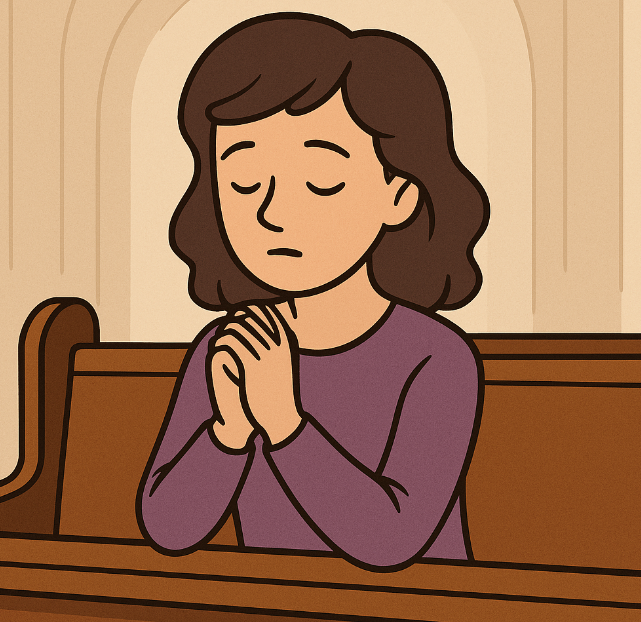
The Purpose of Prayer, Confession, and Fasting in Catholic Life
Introduction: Growing Closer to God Through the Sacramental Life
In the Catholic tradition, prayer, confession, and fasting are not optional extras—they are sacred pathways that draw us closer to God and shape our journey toward holiness. Rooted in Scripture and illuminated by centuries of Church teaching, these practices help believers align their hearts with the will of the Father, conform their lives to Christ, and open themselves to the transforming power of the Holy Spirit.
As Jesus Himself taught in Matthew 6, these three disciplines form the backbone of authentic Christian spirituality: “When you pray… when you fast… when you give alms.” Each is an invitation into deeper relationship and renewal, preparing the soul to receive divine grace.
Prayer: The Heart’s Dialogue with God
Prayer is the lifeblood of Catholic spirituality. It is how we speak to God—and how He speaks to us. As the Catechism of the Catholic Church (CCC 2559) teaches, “Prayer is the raising of one’s mind and heart to God or the requesting of good things from God.”
1. Communication with God
Through prayer, we express love, gratitude, and trust in God’s providence. The Psalms remind us that God hears every prayer:
“The Lord is near to all who call on Him, to all who call on Him in truth.” (Psalm 145:18)
2. Seeking Guidance and Wisdom
When we ask for wisdom, we invite the Holy Spirit to direct our steps.
“If any of you lacks wisdom, let him ask God, who gives generously to all.” (James 1:5)
3. Spiritual Renewal and Transformation
Prayer renews our minds and hearts, helping us conform to God’s will:
“Be transformed by the renewal of your mind.” (Romans 12:2)
4. Intercession for Others
Catholics also pray for the needs of others—the sick, the poor, the Church, and the world. This intercessory prayer fulfills St. Paul’s exhortation:
“I urge that supplications, prayers, intercessions, and thanksgivings be made for all people.” (1 Timothy 2:1–2)
Confession: The Sacrament of Mercy and Healing
Confession, also called the Sacrament of Reconciliation, is where Christ’s mercy meets our weakness. It is both humbling and liberating. Through the priest, Christ forgives our sins, restores grace, and reconciles us with the Church.
1. Acknowledging Sin and Weakness
We cannot heal what we refuse to name. Confession invites honesty and humility:
“If we confess our sins, He is faithful and just to forgive us our sins.” (1 John 1:9)
2. Receiving Forgiveness and Cleansing
In confession, the priest stands in persona Christi—in the person of Christ—to absolve sins. As Jesus told His apostles:
“Whose sins you forgive are forgiven them.” (John 20:23)
3. Promoting Accountability and Humility
Regular confession fosters spiritual discipline and humility, reminding us that sanctity is a lifelong journey.
“Therefore confess your sins to one another and pray for one another, that you may be healed.” (James 5:16)
4. Encouraging Spiritual Growth
Frequent confession helps Catholics grow in virtue and overcome recurring sins through grace and accountability. As Pope Francis has said, “The confessional is not a torture chamber but the place of the Lord’s mercy.”
Fasting: Strengthening the Spirit by Subduing the Flesh
Fasting is one of the oldest spiritual practices of the Church, observed by Jesus Himself during His forty days in the desert. The purpose of fasting is not self-punishment but purification—training the soul to hunger for God above all else.
1. Focusing on Spiritual Priorities
When we abstain from food or worldly distractions, we make space for God’s presence:
“When you fast, anoint your head and wash your face… and your Father who sees in secret will reward you.” (Matthew 6:17–18)
2. Expressing Repentance and Mourning
The prophet Joel calls the people to repentance with fasting and contrition:
“Return to Me with all your heart, with fasting, with weeping, and with mourning.” (Joel 2:12–13)
3. Enhancing Prayer
Fasting deepens our prayers, reminding us of our dependence on God and our longing for His righteousness.
“Blessed are those who hunger and thirst for righteousness.” (Matthew 5:6)
4. Discipline and Self-Control
By denying physical cravings, we strengthen our will and grow in virtue.
“I discipline my body and keep it under control.” (1 Corinthians 9:27)
Conclusion: Living a Life of Grace and Renewal
Prayer, confession, and fasting are not isolated acts—they are interconnected expressions of love and obedience to God. Together, they purify the heart, renew the mind, and prepare the soul for deeper union with Christ through the sacraments.
In a world filled with noise and distraction, these timeless disciplines invite Catholics back to what truly matters: conversion, communion, and Christ Himself. Through them, we echo the words of the Psalmist:
“Create in me a clean heart, O God, and renew a right spirit within me.” (Psalm 51:10)